
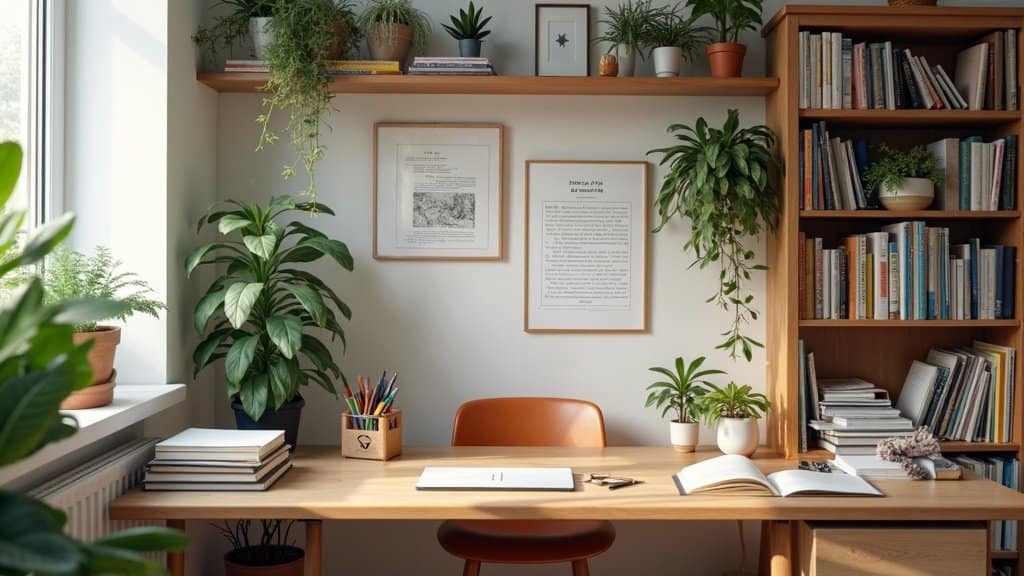
Organize Your Study Space For Maximum Productivity
Getting organized in your study space can really raise your productivity and help you focus better. Disorganization and clutter easily throw off my concentration, so it’s worth putting thought into where and how you set up your workspace. I’ll walk you through simple strategies for creating a neat, inviting, and distraction-free study area that makes it easier to focus and get things done.
Why Your Study Space Setup Matters
Organizing your study space is more than just making your room look tidy. The space where you work or study directly affects your focus, motivation, and sometimes even your mood. Messy or overcrowded areas tend to invite distractions, and can make you more likely to procrastinate. On the flip side, an intentional setup helps your brain switch into “work mode” much faster.
Research backs up the idea that organized spaces are linked to improved concentration and lower stress levels. You don’t need fancy tools to see results, either. Even the basics, like where you put your desk, and what you keep around you, have a big impact on how well you get through a study session.
Evaluate Your Current Study Area
Before jumping into new setups or buying organizers, I always start by taking a look at what’s already there. Is your study area in the busiest part of your home? Is it poorly lit or jammed up against distractions like the TV? Fixing these basics can sometimes make the biggest difference.
- Check the lighting: Good lighting prevents eye strain and helps keep you alert.
- Notice noise and traffic: Areas with high foot traffic or lots of background noise can chip away at your focus.
- Look at your layout: If you have to squeeze into your space or keep shifting things to make room, your setup probably isn’t ideal.
Jotting down what works and what doesn’t can help you make smarter changes instead of guessing. You might notice there are specific times of day when your area is less distracting, or certain furniture that causes more issues than it solves. Even making a quick sketch of the room can help you spot problem areas that need adjustment.


Clear the Clutter with The First Step
Clutter is a major productivity killer. Even if you don’t feel bothered by stacks of papers or tangled cords, your brain will pick up on it, sometimes leading to mild stress or distraction. I always start my organization process with a full tidy-up session. Here’s what usually works for me:
- Remove nonessentials: If something isn’t helping you study, like old coffee cups, unrelated books, or gadgets, it goes somewhere else.
- File or toss paperwork: Piles of paper build up fast. I go through them, file what matters, and recycle what I don’t need.
- Untangle and hide wires: Loose charging cables or headphones get tucked away in drawers or cable organizers.
Just seeing a clear surface can be really motivating when you sit down to get work done. I’ve noticed that when my desk is clutter free, it feels like a fresh start, which leads to a more focused mindset right away. Plus, decluttering only needs a few minutes if you keep it up regularly.



Build Your Ideal Study Environment
Once your area is clutter free, it’s time to set it up so it really supports your productivity. There are a few key ingredients any solid study space needs:
- Comfortable seating: Find a chair that supports your back and lets your feet rest comfortably on the ground.
- Rightsized desk: Your desk doesn’t need to be huge, but it should fit your materials without forcing you to crowd things.
- Plenty of light: Natural light is best, but a good lamp will do wonders if sunlight isn’t available.
- Access to supplies: Keep the things you use most often, from notebooks to postits, within arm’s reach.
Adding a few personal touches, like a small plant or inspirational poster, can make your space more inviting without getting in the way. You could even pick a soothing color scheme or put up a favorite quote to keep yourself motivated. The trick is to find what helps you feel comfortable and ready to focus, not overwhelmed by extras.
Smart Storage and Organization Tools
You don’t need to buy expensive organizers to keep things in order. In my experience, a few basic storage tools work wonders:
- Simple shelving: Floating shelves or a small bookcase keep textbooks and binders organized and off your desk.
- Desk organizers: Trays or caddies for pens, highlighters, and sticky notes cut down on time spent looking for things.
- Drawers and bins: Small bins or drawers under the desk can hide away extra cables, tech accessories, or personal items.
- Cord organizers: These help prevent a tangled mess behind your workspace, which drives me nuts if left unchecked.
I also like using labels on boxes or shelves, especially if you share your study area with others. It helps keep everything in the right place. Consider upcycling containers you already own, like glass jars for pens or shoeboxes for papers, to save money and keep your area organized.


Manage Distractions
Minimizing distractions is a huge part of organizing your study space. I’m always tempted to check my phone or switch tabs if those distractions are within easy reach. Here’s how I keep those in check:
- Keep only study essentials nearby: Phones and unrelated devices go in a drawer out of sight while I’m working.
- Use physical barriers: If your desk faces toward a distracting area, try positioning it toward a wall or quiet corner.
- Noise control: Use noisecanceling headphones, white noise machines, or even earplugs if things get too loud.
- Set up boundaries: If you live with others, use a sign or let them know about your study time to set expectations.
It’s not always possible to get a totally distractionfree space, but adjusting what you can really helps. If noise is an ongoing issue, try listening to calming music or nature sounds while you work.
Personalize Your Zone
The best study spaces are both functional and personal. I find that having a few items that make me happy or relaxed, like a favorite mug, a popup calendar, or a photo, helps me resist the urge to leave my spot when things get tough.
Try to strike a balance, though. Too many personal items can pile up and act as clutter instead of inspiration. Pick a couple of things you love, swap them out once in a while, and keep the rest neatly stored. If you have artwork or crafts, rotate them in every week so your space always feels fresh but never overcrowded.


Maintain Your Setup with Quick Daily Habits
Keeping your space organized long term doesn’t require big weekly cleanups if you get into the habit of a quick tidy at the end of each session. Here are some habits that work for me:
- Clear your desktop of anything you don’t need for your next session.
- Put away supplies and devices in their proper spots before finishing up.
- Wipe down your desk and chair a couple of times a week to keep it feeling fresh.
- Check your lighting and make adjustments as needed depending on the time of day.
These small actions make sure your area stays inviting, so it’s always ready when you are. A few minutes of effort saves so much time and stress later.


Frequently Asked Questions
People often ask me for tips about organizing and maintaining a productive study space, so here are answers to the questions I hear most:
Question: What’s the best location for my study space at home?
Answer: Pick the quietest spot you can find, preferably away from televisions, busy kitchens, or entryways. Spare bedrooms or corners of your own room work really well. Also, look for a place with decent lighting and good airflow, so you feel energized while studying.
Question: Do I need to buy expensive organizers or furniture?
Answer: Not at all; you can repurpose boxes, jars, baskets, and trays you already own. If you want to add new organizers, start small with the basics and upgrade as your needs grow. Even simple things, like using cardboard dividers in drawers or stacking old magazine holders for papers, can make a big impact without extra cost.
Question: How can I reduce distractions if I can’t move my desk?
Answer: Try using headphones, setting “do not disturb” times, or creating a visual divider (like a folding screen). Small changes like a desktop background shade or designated tidyup times also help manage distractions. You might find that simple rituals, like turning off notifications or putting your phone across the room, can help you focus even if your location stays the same.
Final Tips for Long-Term Productivity
Setting up your study area takes a little initial effort, but keeping it organized and comfortable pays off every single day. I’ve had the best luck by tackling clutter regularly, sticking to simple organization tools, and adjusting my space anytime my needs change. Experiment with your setup until you track down what works for you most and makes you actually look forward to opening your books or laptop.
Having a study space you enjoy spending time in really boosts your mood and helps you focus. It’s worth taking the time to get it right, since the rewards show up not just in your grades or work output, but in your day-to-day happiness and stress levels too. Keep your space tidy, make small adjustments as your schedule changes, and your study area will have your back for the long haul.